Chimney Inspection Services by Kinder Chimney Sweep
Professional Chimney Inspections for a Safer, More Efficient Home
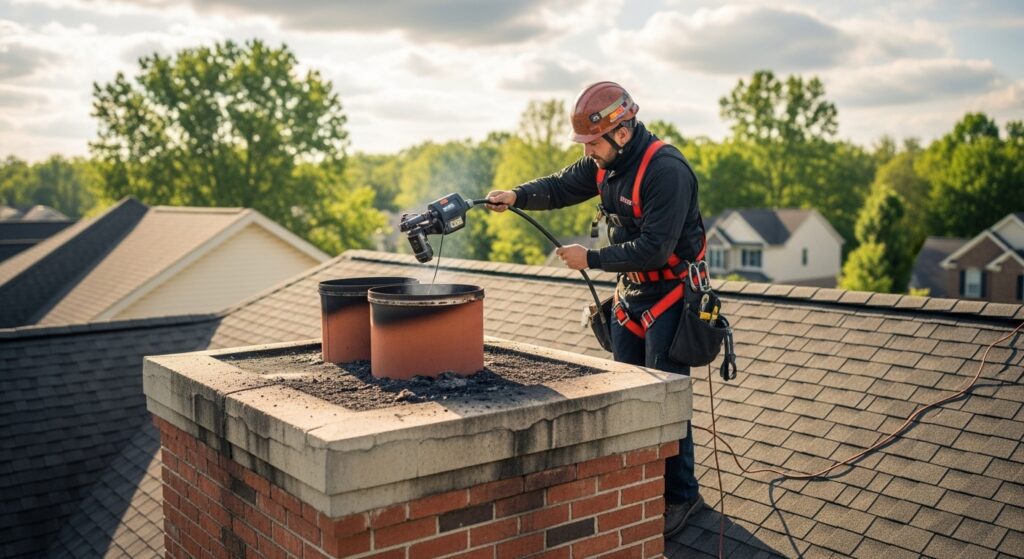
Your chimney is one of the most important safety features in your home. Over time, soot, creosote, and structural wear can compromise how your fireplace or heating system functions. At Kinder Chimney Sweep, we provide detailed chimney inspection services to ensure your system is safe, efficient, and ready for use year-round.
Whether you use your fireplace every day or just during the colder months, regular inspections are key to preventing costly repairs and reducing the risk of chimney fires.
Why Chimney Inspections Are Important
A chimney inspection identifies potential hazards before they become major problems.
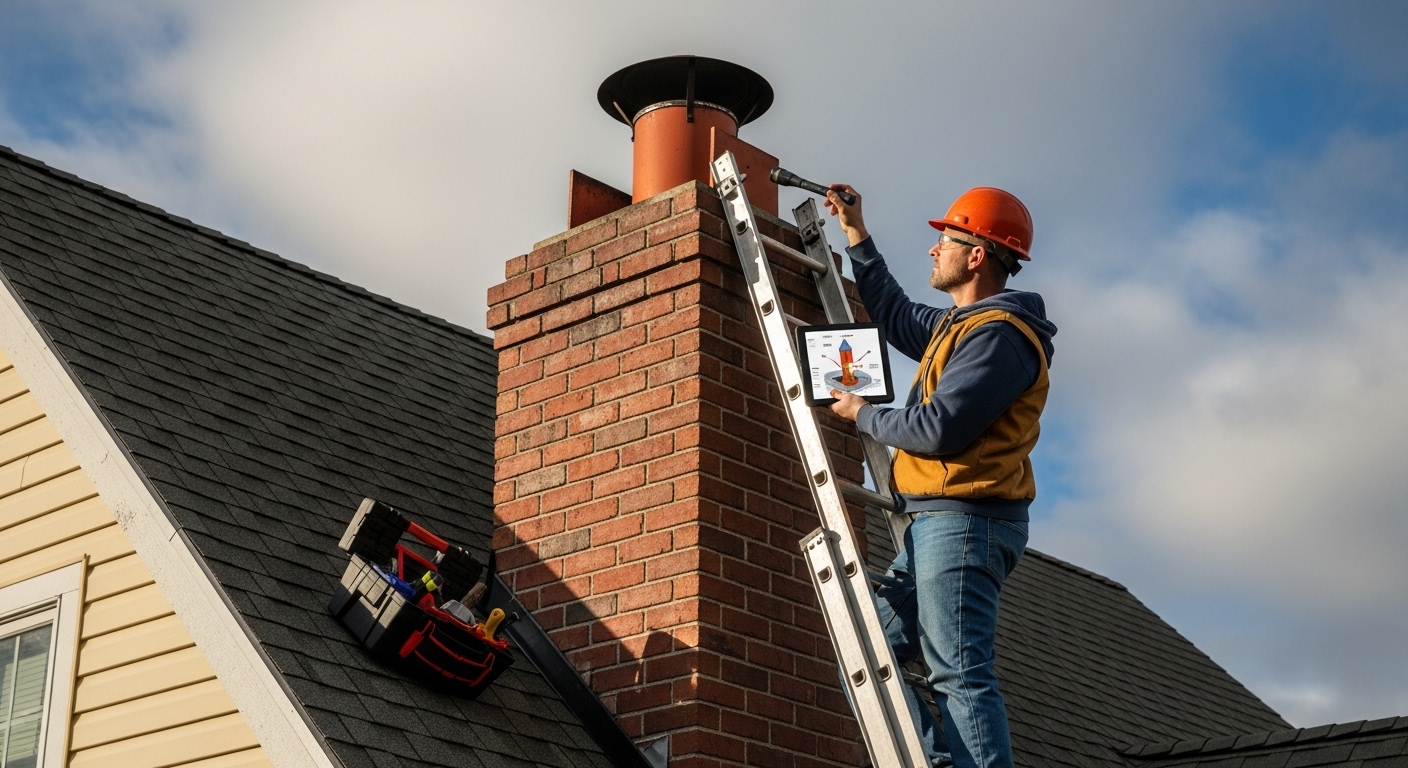
Our certified technicians look for:
Creosote buildup and blockages
Cracks in the flue or masonry
Loose bricks or deteriorated mortar joints
Chimney cap or crown damage
Water leaks or moisture intrusion
Obstructions like bird nests or debris
Routine inspections help you catch these issues early, saving money and keeping your home safe.
Levels of Chimney Inspection
We follow the National Fire Protection Association (NFPA) 211 standards, which define three levels of inspection:
Level 1: Basic Annual Inspection
Recommended for chimneys that are regularly maintained and haven’t undergone changes.
We check accessible parts of the chimney interior and exterior to ensure safe operation and confirm there are no visible obstructions or deposits.
Level 2: Real Estate or System Change Inspection
Required when:
-
You’re buying or selling a home
You’ve changed your heating system or fuel type
-
The chimney has sustained damage (storm, fire, or earthquake)
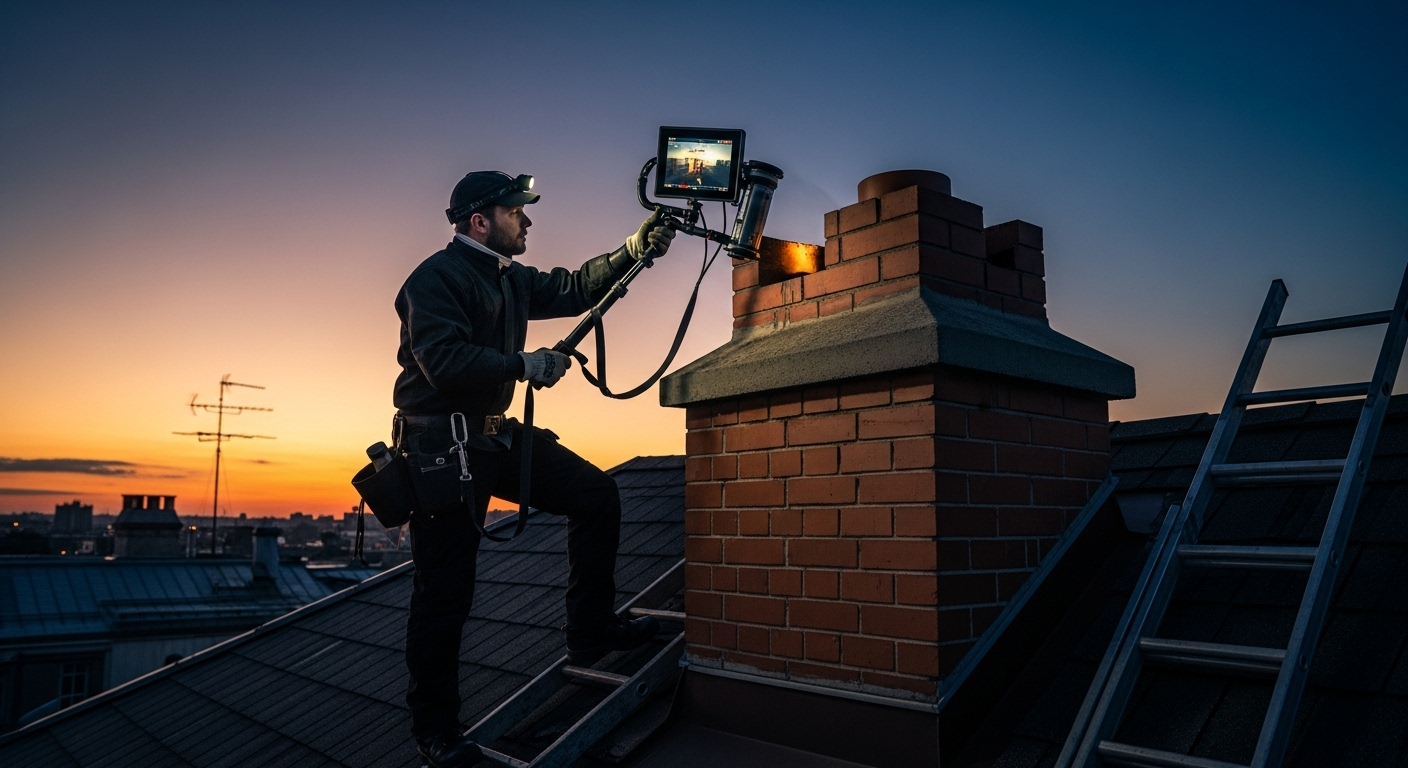
This inspection includes all Level 1 checks plus a video camera scan of the flue to detect hidden issues inside the chimney structure.
Level 3: Comprehensive Inspection
Performed when serious structural damage or safety concerns are suspected.
This may involve limited removal of components like walls or chimney sections to assess the full extent of the damage.
What to Expect During a Kinder Chimney Sweep Inspection
Visual Assessment – We start by examining the chimney exterior for cracks, gaps, and wear.
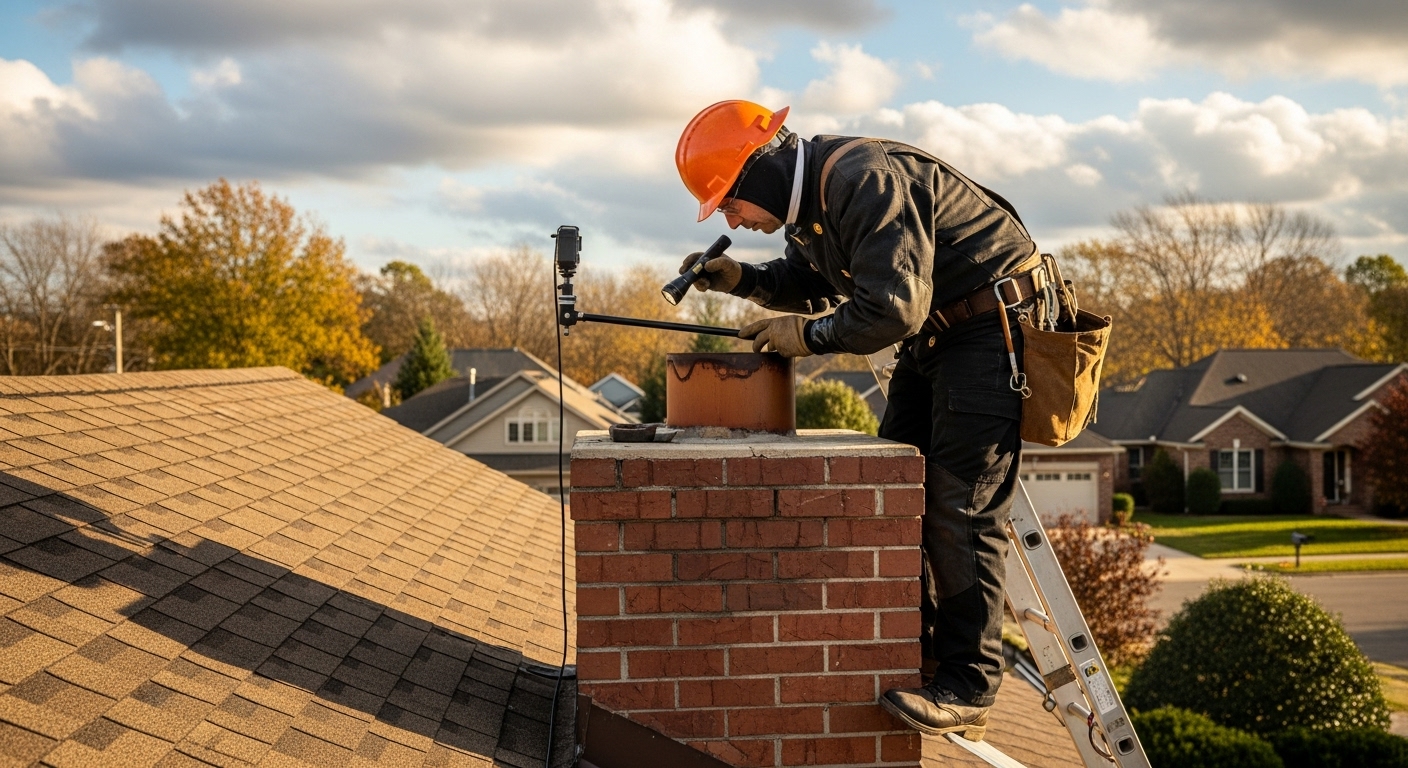
Internal Camera Scan – We use specialized video equipment to inspect the chimney flue.
Draft & Ventilation Test – Ensures your fireplace exhausts smoke properly.
Written Report & Recommendations – You’ll receive a detailed summary of findings with repair or maintenance suggestions.
All inspections are clean, professional, and conducted with respect for your property.
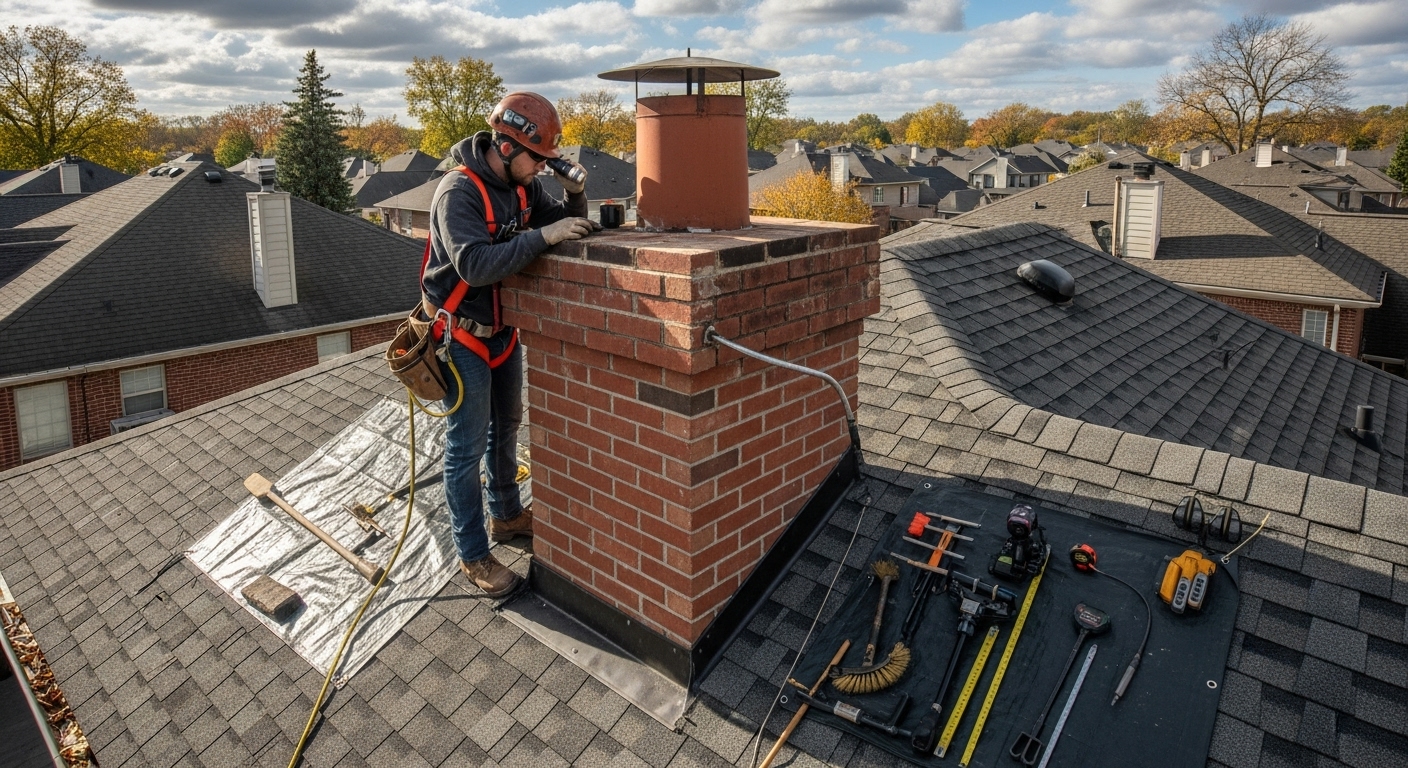
Benefits of Regular Chimney Inspections
Prevent chimney fires and carbon monoxide leaks
Extend the lifespan of your chimney and fireplace
Identify small issues before they become expensive repairs
Improve heating efficiency and airflow
Maintain compliance with home insurance and safety standards
Why Choose Kinder Chimney Sweep
Certified, insured, and experienced technicians
Modern video inspection tools
Honest, transparent pricing
Fast scheduling and reliable service
Commitment to customer safety and satisfaction
We’ve built our reputation on professionalism and attention to detail—your safety is our top priority.
Schedule Your Chimney Inspection Today
Don’t wait until problems arise. Protect your home, your family, and your peace of mind with a professional chimney inspection from Kinder Chimney Sweep.
Frequently Asked Questions About Chimney Inspections
How often should I have my chimney inspected?
The National Fire Protection Association (NFPA) recommends that chimneys be inspected at least once a year, regardless of how often you use your fireplace. Even unused chimneys can develop blockages, leaks, or animal nests.
What is the difference between a chimney cleaning and a chimney inspection?
A chimney cleaning removes soot and creosote buildup, while a chimney inspection checks the entire system for safety, damage, and efficiency issues. Both services complement each other to keep your fireplace operating safely.
What does a chimney inspection include?
Our inspections include a visual assessment of the chimney’s interior and exterior, a camera scan of the flue (for Level 2 inspections), and a detailed written report outlining any issues or recommended repairs.
What are the three levels of chimney inspections?
Even if you don’t use your chimney regularly, annual inspections are important to check for potential blockages, damage, or wear caused by weather.
How long does a chimney inspection take?
Level 1: A basic annual inspection for regularly used, well-maintained systems.
Level 2: A more detailed inspection, often required when buying or selling a home, after a change in heating system, or after damage.
Level 3: An in-depth inspection for suspected structural issues or safety concerns, sometimes requiring limited removal of parts of the chimney.
Do gas fireplaces need chimney inspections too?
Yes. Even though gas fireplaces burn cleaner than wood, they still produce residue and require proper ventilation. Annual inspections ensure there are no leaks, blockages, or carbon monoxide hazards.
How long does a chimney inspection take?
Most chimney inspections take between 45 minutes and 90 minutes, depending on the system type and level of inspection required.
What happens if my chimney fails inspection?
If we identify any issues, we’ll provide a detailed inspection report and recommend the best repair options. You’ll receive transparent pricing and a clear explanation of the next steps before any work begins.
Can I schedule an inspection even if I don’t use my fireplace?
Yes. Even unused chimneys can develop moisture issues, cracks, or blockages. An annual inspection helps preserve your home’s structural integrity and air quality.